What Women Actually Need After Pregnancy Loss

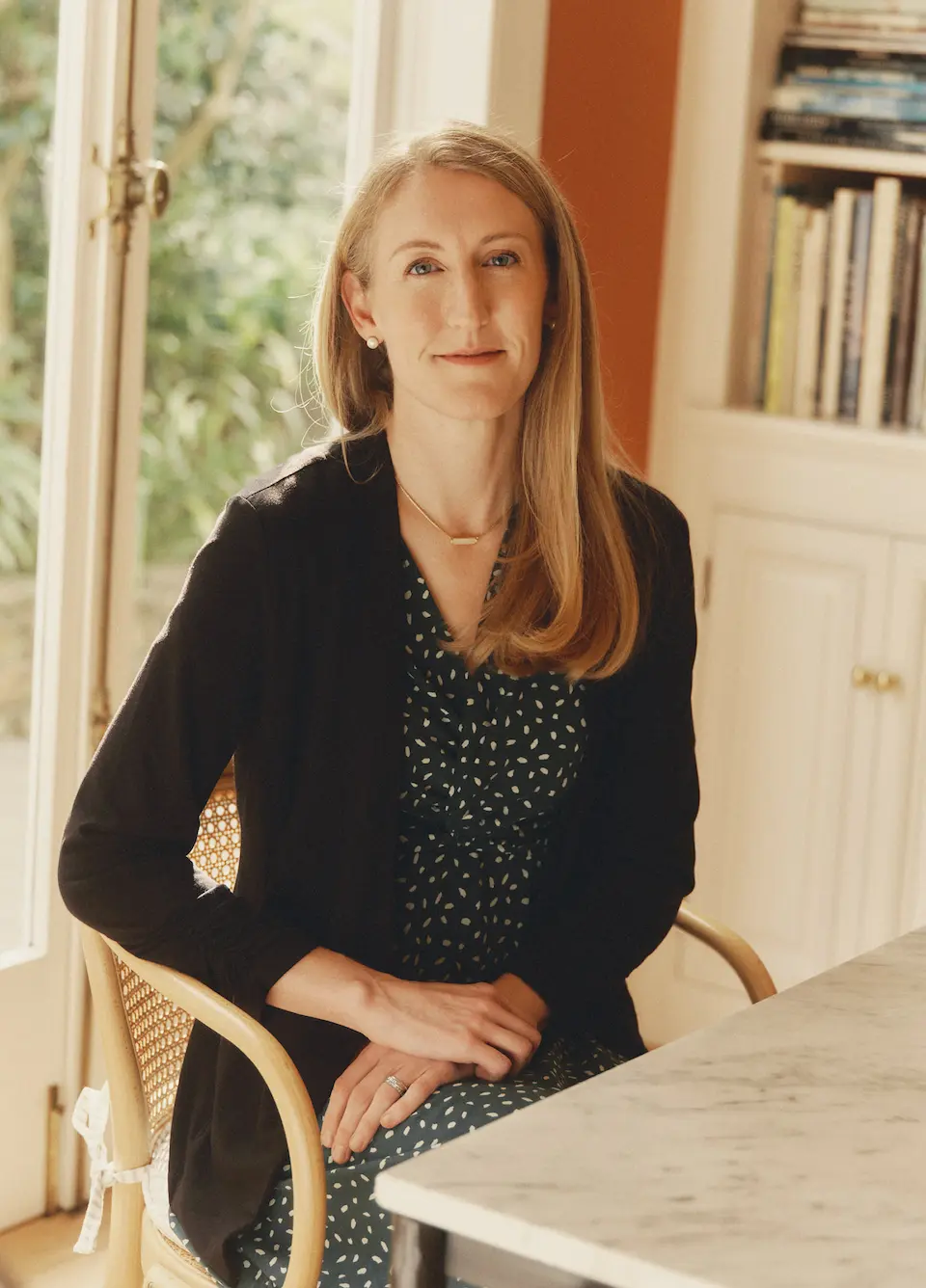
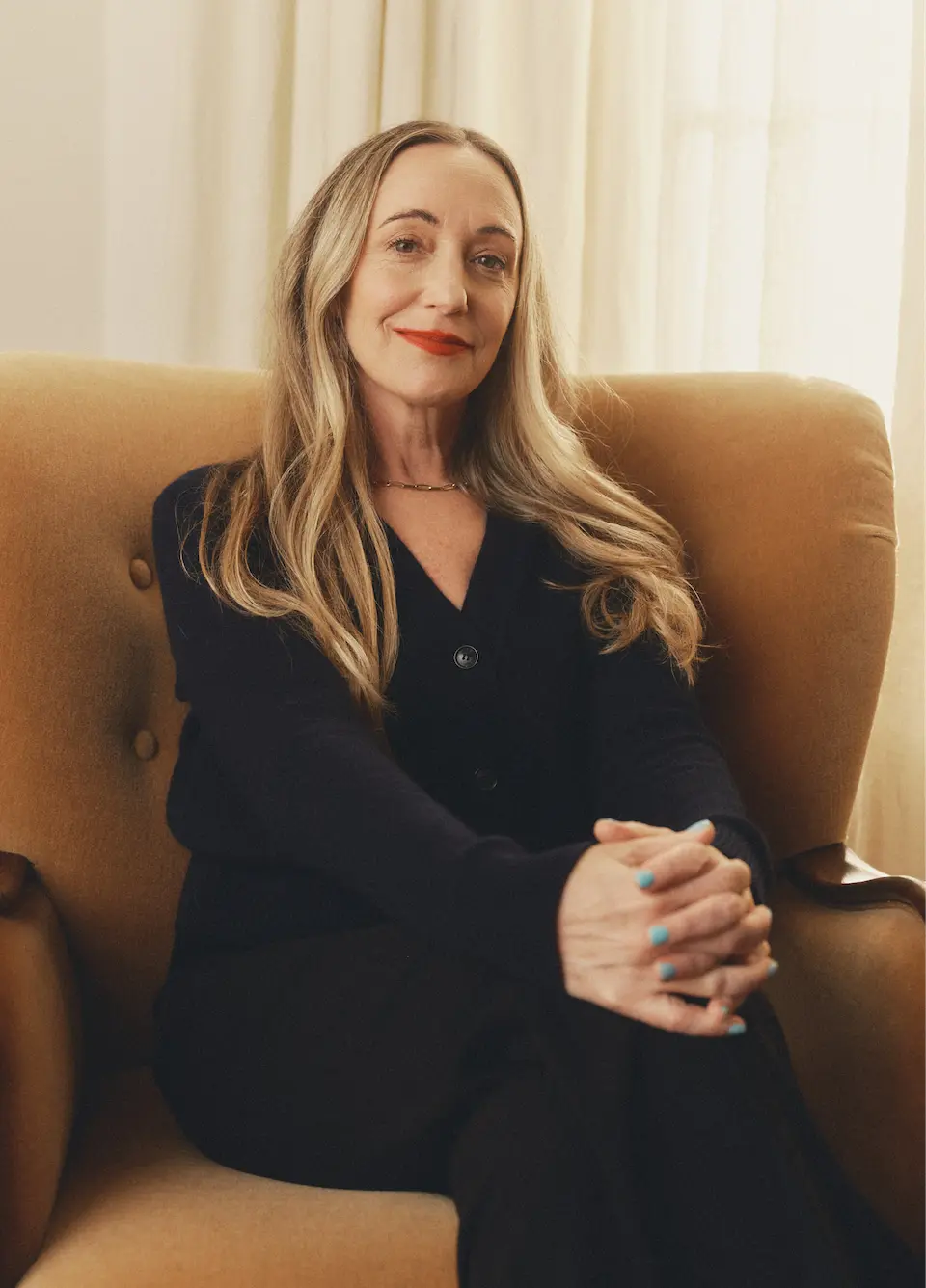
Jessica Fisher
Dr. Jessica Zucker
Dr. Andrea Henkel
From left to right: Jessica Fisher, Dr. Jessica Zucker, Dr. Andrea Henkel
Photography by Dan Mack

A roundtable discussion with advisors Dr. Jessica Zucker and Dr. Andrea Henkel on where the system fails, and how we can create a new standard of care.

Lavela Health was founded to close the gap between the medical and emotional care women receive during and after reproductive loss. In this roundtable, Lavela advisors psychologist Dr. Jessica Zucker, PhD, MPH award-winning author of Normalize It: Upending the Silence, Stigma, and Shame That Shape Women’s Lives and I Had a Miscarriage: A Memoir, a Movement, and Dr. Andrea Henkel, MD, MS, Complex Family Planning Specialist and Stanford Clinical Assistant Professor, join Lavela founder Jess to discuss what’s missing in today’s standard of care—and how evidence-based therapy and compassionate clinical practice can better support women’s emotional healing and long-term wellbeing.

Looking for a summary?
Jess

To start, what first inspired each of you to focus your work on women’s health after loss?

Dr. Andrea Henkel

As physicians in the reproductive health space, we’ve been facing attack after attack legislatively—especially following the Dobbs decision—which now severely limits access to care after pregnancy loss and for abortion care. As a community of physicians, we’ve worked very hard to safely provide this care, limit barriers, and expand access.

Multiple studies have shown that condensing clinical care into a single visit can be safe, and over time, very few visits became the norm. I practice in California, where reproductive healthcare access is relatively robust, and I started to wonder: Is this condensed approach truly serving our patients? Are we meeting all of their needs?

From there, I really built my career around the patient experience following abortion or pregnancy loss—reimagining what patients are looking for in these moments, not just medically but emotionally, and how our systems can actually reflect that.

Dr. Jessica Zucker

Before pursuing my PhD in clinical psychology, I worked in public health, specifically in international women’s rights and reproductive health. When I completed my PhD, I knew I wanted to bring those two worlds together: public health and clinical care.

My vision was to marry my background in global issues with the intimacy of the one on one work in private practice in order to focus on women’s mental health across the reproductive spectrum. That’s where I wanted to dedicate my clinical work: supporting women and families around the emotional complexity that can arise while navigating these challenging issues.

Jess

From the medical side, what does the “typical” journey look like after pregnancy loss in our current system, and where do you see the biggest drop-offs in care?

Dr. Henkel

Even getting to the diagnosis is often filled with uncertainty. There may be multiple visits, repeated tests, and a period where people don’t yet know if they’re having a miscarriage, an ectopic pregnancy, or whether they’ll need an abortion. The diagnosis rarely arrives neatly in the first visit, so people are carrying a tremendous amount of uncertainty even before the loss is fully named.

After the loss, many patients are very focused or even excited to continue toward their family-building goals. Once they’re cleared physically, there can be a quick pivot into, “When can we try again?” That urgency is understandable, but it can mean the emotional impact of the loss doesn’t get fully processed.

So the drop-off happens in a few places. In the uncertainty leading up to diagnosis, which often isn’t acknowledged as part of the trauma. In the immediate post-loss phase, when patients are overwhelmed with decisions but not yet supported emotionally. And later, when they’re physically cleared and eager to move forward, but the system doesn’t create space to integrate what they’ve just been through.

“...later, when they're physically cleared and eager to move forward, but the system doesn't create space to integrate what they've just been through.”

Jess

And from the psychological side, how do women typically find you after a loss, and where does the system lose them?

Dr. Zucker

I work in private practice, so I can’t necessarily speak to broad system-wide trends, but I can share what I see in the consultation room day in and day out. People are referred to me through several avenues—through their OB-GYN, reproductive endocrinologists, acupuncturists, a trusted friend, through my articles or books, or through someone in their support network. There’s no one linear approach to healing in the aftermath of pregnancy loss. Some people reach out immediately after the loss occurs. Others come months or even years later when something else, like a new pregnancy or a different life transition, reignites their grief.

What I hear most often is some variation of: “What did I do to deserve this?” That self-blame can take so many forms: Did I want this too much? Did I not want it enough? Was it that sip of wine before I knew I was pregnant? Was it that orgasm I had while I was pregnant? Is this payback for something I did in my youth? People go through an enormous array of what ifs, which can slide into body hatred and a resounding sense of “What’s wrong with me?” That’s where shame spirals tend to start: Is this my fault? Is there something fundamentally wrong with me?

Therapy is an ideal place to process the myriad feelings that can arise, including (but not limited to) grief, confusion, and anger. It’s also a space to explore the roots of shame and self-blame, understand how this loss connects to earlier experiences of grief or trauma, reflect on relationships—with their body, their mother, motherhood in general. Some people feel they need five sessions to move through the acute grief of a stillbirth, for example, whereas others opt to stay in therapy for years because the loss touches deep, longstanding patterns or earlier trauma. There’s no one timeline. There’s no right or wrong way.

A major systemic issue that surrounds (specialized) psychotherapy is accessibility: waitlists, cost, cultural stigma around therapy, and the simple question of “Am I allowed to seek help for this?” “Is my pain ‘bad’ enough that it requires addressing in a professional setting?” These very real factors make it easier for people to fall through the cracks and therefore endure their suffering without the help of a trained professional. It’s troubling that approximately one in four pregnancies results in loss, but this ubiquitous topic somehow remains taboo, shrouded in silence by culture. The hush-hush zeitgeist adds to the confounding feelings that too many women feel they should just power through on their own.

Jess

I want to build on that. Pregnancy loss affects roughly 1 in 4 pregnancies, yet many people still experience it in silence. Why do you think it is so under-discussed?

Dr. Henkel

From a medical standpoint, reproductive loss is very common. If I’m caring for someone who hopes to build a family of 2.2 children, I fully expect that we may walk through a loss together at some point. Clinically, that doesn’t feel unusual, but for patients, it can be shocking. Part of the disconnect is generational. When our mothers were having children, pregnancy tests were less sensitive, so many early losses were never formally diagnosed.

Ultrasound technology was not what it is today, so we were catching fewer losses. That means many of us grew up without hearing about our mothers’ miscarriages, even if they had them. We didn’t have a framework for understanding loss as a common part of family building. So in exam rooms, we do talk about loss, but at a population level, people still don’t realize how common it is. I think that gap in awareness contributes to the isolation.

Dr. Zucker

I agree that medically it may be discussed more than it used to be. Culturally, though, it’s still not something people talk about as casually as what they’re making for dinner, and given how common it is, it could be that normalized.

One noteworthy contributing factor is the “12-week rule” that has been in place for as long as I can remember. It essentially robs women of feeling like they can sink into the feelings that they experience, should they have a loss. It’s sort of a set up. This idea that you can’t share your good news in case it becomes bad news, because if it becomes bad news, then you don't have to share it at all. This framework sets people up to experience their losses siloed in silence. They’re encouraged to keep their joy quiet, and if that joy becomes grief they don’t feel entitled to share that either.

I believe people should have the opportunity to talk about both. Their joy, and any other feelings they might experience, early in pregnancy, and their grief, and any other feelings they might experience, if the pregnancy ends. Even with the statistics, there’s still a cultural pressure to speak in hushed tones about pregnancy loss, which reinforces shame and isolation instead of connection.

Jess

Let’s talk about what actually happens in the visit where the loss is diagnosed. What kinds of conversations do women wish they could have with their providers?

Dr. Henkel

In the moment of loss, people are often expected to make a series of significant decisions very quickly. Whether to have a procedure, or pursue genetic testing, or if they want to pursue cremation or burial. All of this happens when they’re already in shock and grieving. Many of these decisions are time-sensitive, and patients are overwhelmed. Instead of having space to ask their own questions, they’re often just responding to ours. It’s usually only after everything is over that the questions surface: Why did this happen to me? What did I do? How do I prevent this from happening again? I try to name those questions explicitly when I meet someone, and to emphasize that in the vast majority of cases, this is not caused by anything they did or didn’t do. But I think those questions are what keep people up at night in the weeks that follow.

Dr. Zucker

In the therapy setting, those same questions show up in more subtle and nuanced emotional language. People ask, Did I do something to deserve this? What does this mean for my future? Will I ever have a baby? Therapy is not about giving people guarantees, none of us can do that. It’s about creating space to feel the depth of the grief, to explore any and all feelings, including shame and self-blame, and to look at how this loss fits into the larger story of their life.

Often, a loss resurfaces earlier grief: the death of a loved one, a difficult childhood, past traumas. So while we’re talking about this loss, we’re also making room for all the loss that came before and was not necessarily processed until now.

Jess

On the OB-GYN side, how do you think about the “handoff” from medical care to emotional support—and where does it break down?

Dr. Henkel

One of the biggest challenges is finding therapists who specialize in perinatal mental health and pregnancy loss. That kind of subspecialty training is still relatively rare, and those who have it often have very long waitlists. When you’re in grief, waiting six weeks to see someone can feel impossible. That’s one major place where people fall off the path. By the time there’s an opening, the crisis moment has passed, and they may not have the energy or clarity to re-seek help.

Another challenge is structural. We see patients for such a short amount of time, they aren't necessarily ready to accept help or might not identify a need yet. And then when they have identified a need, the clinical encounter is passed.

And then there’s the blur of the experience itself. I’ve had patients tell me later that they don’t even remember which doctor took care of them during their loss. So when they eventually realize, “I do need help,” they may have no idea who to reach back out to.

All of that makes it very easy for people to slip through the cracks between medical care and mental health support.

Jess

You’ve shared research with us that stable mental health can positively influence outcomes in future pregnancies. How do you talk to patients about mental health care as part of preparing for another pregnancy?

Dr. Henkel

I usually bring this up when someone is in a preconception space, thinking about or actively planning another pregnancy.

I frame mental health the same way I do any other part of preconception care. For example, if someone has diabetes, we talk about getting their hemoglobin A1C into the best possible range before conception to support a healthy pregnancy. I apply that same logic to mental health: The more optimized your mental health is before conceiving, the more supported you are throughout pregnancy. People are often very willing to start new exercise routines, change their diet, and make all kinds of lifestyle shifts when they want to conceive. I remind them that one of the most impactful things they can do is also work on their mental health, whether that’s therapy, support groups, or other forms of care.

Normalizing mental health as just another part of taking care of themselves tends to be well-received, especially when we talk about it alongside physical health rather than as something separate.

Jess

How can Lavela help clinicians by taking some of that emotional care burden off the medical system, while still maintaining trust and clinical integrity?

Dr. Henkel

It’s incredibly hard as a clinician to sit with someone who is acutely grieving, know they need specialized care, and then tell them the earliest opening is six weeks away.

I also know that I’m not a therapist. I can validate, I can educate, but I don’t have the time or training to walk someone through the entire arc of their grief in a clinic visit. What excites me about Lavela is fast access to support—shortening that gap between the moment someone realizes they need help and the moment they actually receive it.

“I often ask:
What if it's not your fault?”

Jess

What kinds of messages or information actually help shift those feelings of self-blame that may come up around a loss?

Dr. Zucker

Sometimes what’s missing is basic medical information. People may hear “miscarriage” and imagine a fully developed baby who could crawl down the hallway, even when the loss is identified at a six-week ultrasound.

So part of my work as a psychologist is helping people understand some of the important facts about pregnancy loss in an effort to ameliorate self-blame. For example, a majority of miscarriages occur as a result of chromosomal issues, not anything someone did or didn’t do. In the therapy room, I am often trying to understand the roots of the shame and then attempting to compassionately help people unpack the pain, unearth the tendency to blame one self, and investigate all of the feelings associated with this reproductive experience. Ultimately, can we flip the script?

I often ask: What if it's not your fault? What if you did absolutely nothing wrong? What if… miscarriage is wholly out of our control? There’s often a long pause. And that's often when the tears come in spades because they've been so used to blaming themselves and sort of stuck in this cycle of shame or self-blame, body hatred, and even guilt. You could have had that sip of wine before you knew you were pregnant, and this still would have happened. You could have eaten the perfect foods, exercised, taken all the recommended vitamins and this still could have happened. You could have spent years obsessed with motherhood or completely ambivalent about motherhood, and this still would have happened. That externalizes the cause, which helps dislodge the shame.

Dr. Henkel

I often tell patients, if there were something you could do to cause a miscarriage, we would not be having a reproductive health crisis in this country.

I care for patients traveling from states like Texas, Idaho, and Tennessee every week because they can’t access the care they need locally. If miscarriages were something people could just trigger through a thought or a snack, we wouldn’t be in that situation.

In a strange way, it can be grounding to remember we’re not as powerful as we fear we are. We cannot think, eat, or stress our way into causing a miscarriage. That perspective can create a bit of relief and even a touch of levity in an otherwise very heavy moment.

Jess

If we imagine a better, more collaborative ecosystem—OBs, therapists, and a platform like Lavela all working together—what does that look like?

Dr. Henkel

There are two key phases where collaboration could make a huge difference. At the time of diagnosis and decision-making. People need support to think through questions like. Who am I outside of this loss? What do I value? How do I want to make decisions about procedure, medication, genetic testing, or remains?

Having a therapeutic space to explore those questions before they’re forced to make medical decisions could be incredibly helpful. It gives them a framework instead of forcing them to decide from a place of shock.

Dr. Zucker

I’ve long fantasized about every OB-GYN office—and honestly, every pediatrician’s office as well—having an up-to-date list of specialized mental health providers they hand out automatically.

Practically, that’s very hard to maintain. That’s where a platform like Lavela becomes so valuable: it centralizes that expertise and makes it easier for providers to say, “here is a trusted place to start.”

I also think it’s important to remember that medical doctors have their lane and psychotherapists have theirs. Patients sometimes tell me, “My doctor didn’t seem to care about my loss,” or, “They felt so clinical and cold.” I validate that experience, but I also, in time, remind them that we can’t expect one provider to be capable and competent in every arena–the physical, the emotional, and the psychological. When we build systems that bridge those lanes—instead of expecting one person to be everything—we get closer to the care people truly need and deserve.

“The size of the embryo or fetus does not dictate the size of the grief.”

Jess

Are there shared principles or “North Stars” you think we should all be aligning around for the future of women’s care after loss?

Dr. Henkel

One principle is honoring how people experience their loss, regardless of gestational age. I care for people who have early pregnancy losses, ectopic pregnancies, or second-trimester losses, and many of them experience this as having lost a child. Clinically, that language may not always match the developmental stage, but emotionally, it’s very real.

So a core principle could be, the size of the embryo or fetus does not dictate the size of the grief. Acknowledging that is important across the board.

Dr. Zucker

I would add two more principles: Normalize access to help—even without a diagnosis. Screening is important, and yes, PTSD and depression after loss are real and underdiagnosed. But we also need to normalize that you don’t need a formal label to deserve support. 

And avoid minimizing language. Terms like “chemical pregnancy” can be profoundly minimizing if the experience was deeply meaningful to someone. If a patient is already inclined to gaslight themselves—I shouldn’t be this upset, it was so early—that language reinforces it.

Jess

On the flip side, what red flags in the current mental health or fertility space do you think Lavela should consciously avoid?

Dr. Zucker

I’d be very cautious about overly prescriptive or binary messaging around lifestyle, supplements, or “optimizing” fertility. I’ve heard so many stories of people being told exactly what to eat, which specific prenatals will “guarantee” success. If you eat McDonald’s every day, you can still get pregnant. If you’re vegan and do everything right, you can still have a loss. We want people to be as healthy as they reasonably can be—but we do not want them to believe that what they eat on any given day or somehow doing the “wrong” thing will cause a loss.

So I’d avoid any language that suggests: If you do X, you’ll get pregnant, and if you don’t, you won’t. Or if you do Y you will remain pregnant, and if you don’t, you will experience a pregnancy loss. 

Dr. Henkel

I think social media is another area where we need to tread carefully. It can be helpful, people find community and information there. But it can also be incredibly damaging.

On social media, you see a lot of idealized family images and curated pregnancy announcements. Timelines that suggest a smooth, linear journey. What you rarely see are the losses or the uncertainty. Lavela can play an important role in counter-balancing that by sharing evidence-based information, offering realistic, compassionate care and providing grounded self-care guidance.

Jess

If you were advising us on our very first message to the world—our “why we exist”—what’s the one truth you’d want to make sure comes through?

Dr. Zucker

I would say Lavela exists because it doesn't, and it needs to. And women deserve to have access to care readily and consistently, and care that is evidence-based, well-researched and grounded in modalities that work.

Dr. Henkel

I’d highlight that for many people, reproductive loss is the first significant loss they experience. In our 20s, 30s, and 40s, we may not yet have lost a parent or another close loved one. So when a pregnancy is lost, people often don’t have a framework for how to cope.

Lavela isn’t just about helping someone through this loss. It’s also about giving them coping tools and emotional skills they can carry into the rest of their life, because loss, of many kinds, is inevitable.

Jess

Many women reading this will have gone through loss themselves. After reading this conversation, what do you hope they leave with?

Dr. Henkel

I hope they leave with the understanding that building a family is rarely linear. Setbacks, pauses, and reroutes are far more common than the straight line we often imagine. My hope is that people don’t lose sight of their vision for what they want their family to be, even when they’re in the messy middle of creating it.

And I hope they know they’re allowed to lean on support systems—their own communities, their clinicians, and platforms like Lavela—to help them keep moving toward that vision.

Dr. Zucker

I want them to leave knowing they are not alone. This is not their fault. Statistics can help us intellectually understand that we’re not alone, but community and connection help us actually feel we are not alone. I’d like them to know that they don’t have to carry this silently. There are people and places, like Lavela, ready to walk with them through this poignant season of their lives.

And I want people to feel permission to let this experience change them. Loss often transforms us. The goal isn’t to go back to who you were before, but to be gentle with who you’re becoming, and to have support as you navigate that transformation.

Jess

This has been incredibly powerful. Hearing both of you name what’s missing and what’s possible makes it even clearer how much room there is for change.

At Lavela, our goal is to build a truly first-of-its-kind space that reflects what women deserve after loss: care that’s compassionate, evidence-based, and designed with their emotional reality in mind.

Thank you both so much for your time, your honesty, and your work.